
WAREHOUSING · YARD AND DOCK MANAGEMENT
Waiting trucks and idle docks drain margin.
WALI puts them on one clock.
Phone calls and spreadsheets leave arrivals, loads and docks on different plans. WALI forecasts all three and recommends the next move before waiting grows.
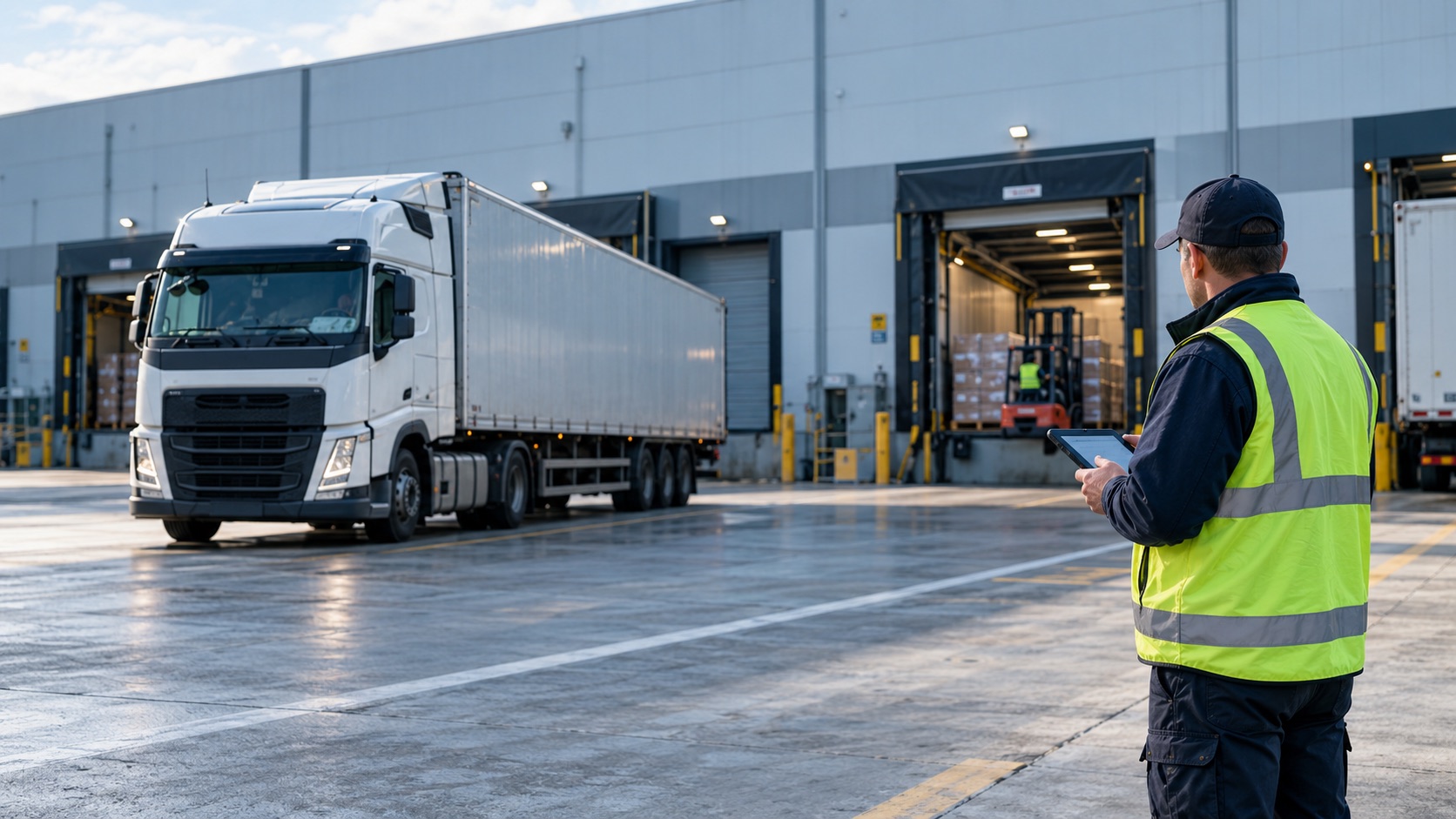
THE PROBLEM
Two separate plans, one fixed appointment.
The arrival time changes; the warehouse and yard cannot see each other's new plan.
Trucks wait
Early or late arrival disrupts the queue.
Docks sit idle
The next truck is not ready.
Loads are late
Warehouse work and staff follow another clock.
THE WALI DECISION LOOP
Recalculate the plan after every event.
Read
Truck · load · dock · warehouse work
Forecast
Arrival · waiting · work completion
Recommend
Which truck · which dock · when
Measure
Compare the plan with actual events
TWO-WAY COORDINATION
A gate decision changes warehouse work.
At the gate
Match a ready truck to a suitable dock.
In the warehouse
Bring the load forward before the truck arrives.
If the truck, dock or load is not ready, the missing condition stays visible. Unknown delays are not given invented causes.
MEASURABLE RESULT
Less waiting and less idle dock time.
We measure the baseline, replay past days with the new decisions, then validate the result on site.
AI recommends. You set the rules and limits.
Your WMS, TMS and yard systems stay in place. The reason and expected impact are visible; your team approves exceptions.
CONNECTED OPERATION
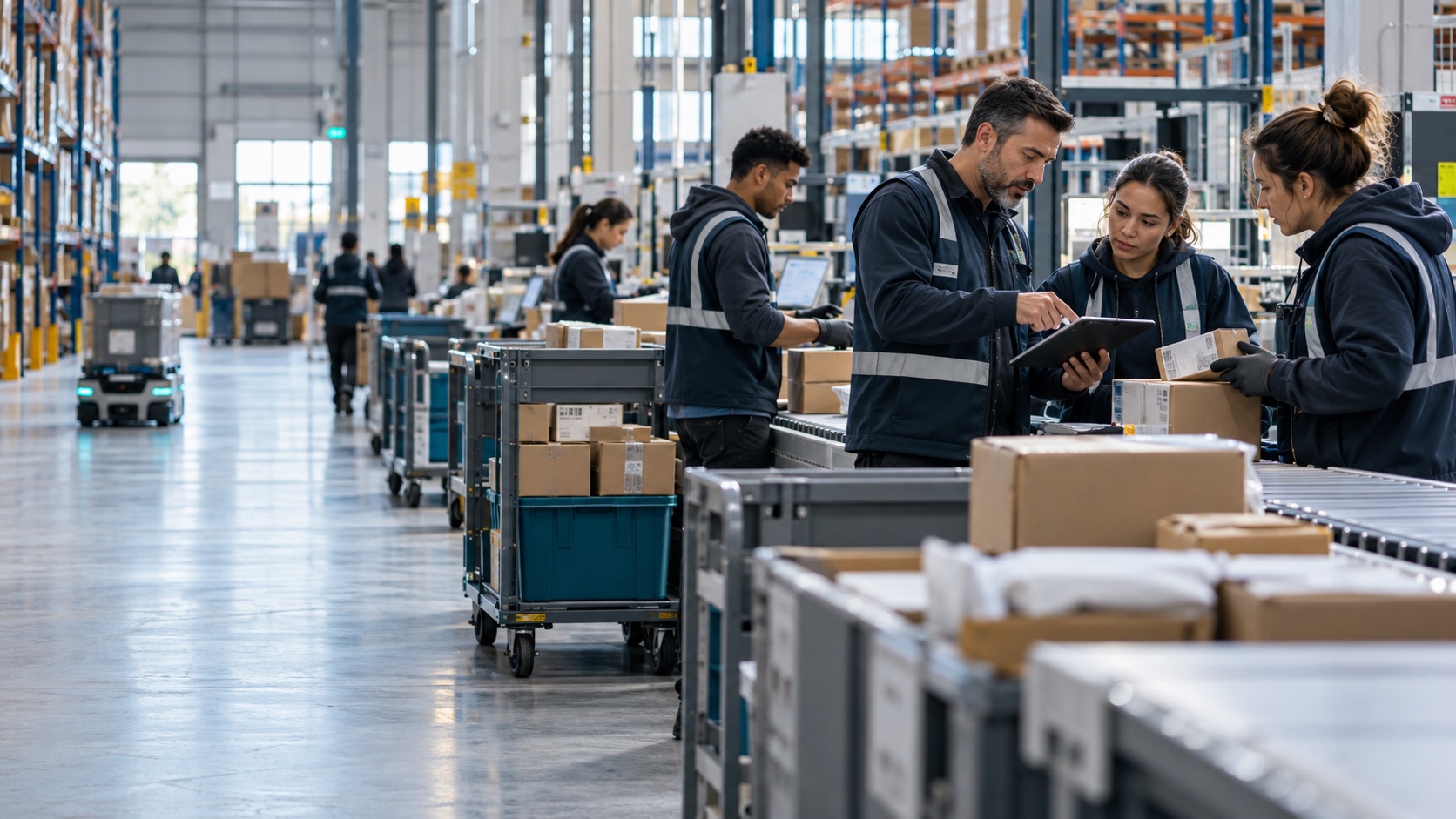
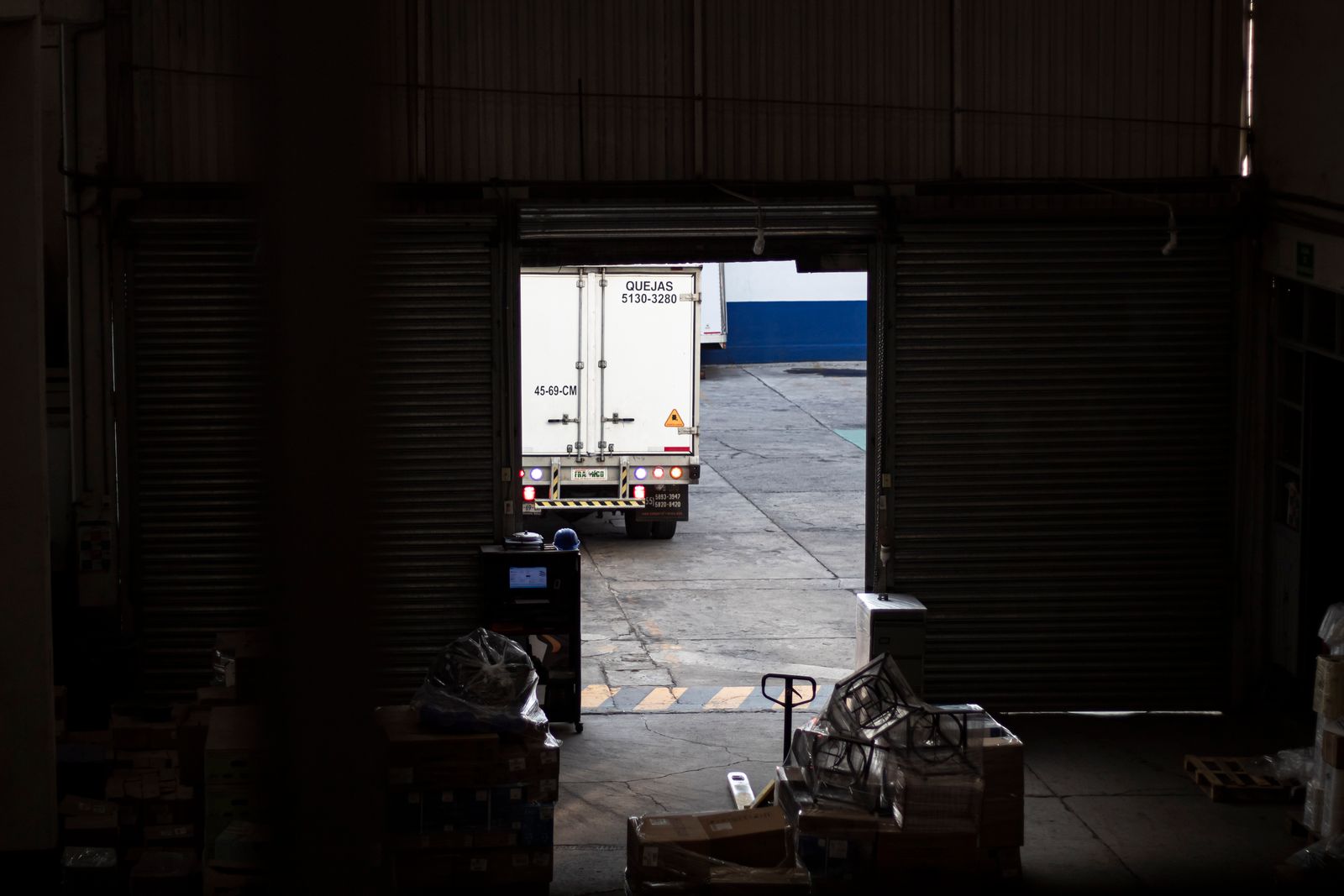
Connect the gate to the rest of the journey.
A dock appointment makes sense when the load, vehicle arrival and receiving team share the same live state.
Start with one yard.
Use 8–12 weeks of gate, dock and dispatch records to measure the first opportunity.
Find the yard losses