Trucks wait

ROAD OPERATIONS · YARD AND DOCK AUTOMATION
Cut vehicle waiting and idle dock time.
One plan from arrival to departure.
For operations with a warehouse or transfer hub, connect vehicle check-in, ready loads and dock decisions. WALI forecasts arrivals and waiting, then recommends the next move.

THE FLOW AT A GLANCE
From signal to outcome.
Recalculate the plan after every event.
Less waiting and less idle dock time.
THE AGENT INSIDE OUR EXISTING YARD & DOCK SOLUTION
Vehicle & Dock Agent
Tracks inbound vehicles, ready loads and dock availability together; recommends the next gate sequence and dock assignment as conditions change.
Track arrivals and load readiness
Recommend the dock and queue
Replan when arrivals slip
Steps within agreed rules update existing systems; exceptions go to the yard team.
THE PROBLEM
Two separate plans, one fixed appointment.
The arrival time changes; the yard and load preparation cannot see each other's new plan.
Trucks wait
Early or late arrival disrupts the queue.
Docks sit idle
The next truck is not ready.
Loads are late
Load preparation and yard teams follow another clock.
THE WALI DECISION LOOP
Recalculate the plan after every event.
01
Read
Truck · load · dock · preparation work
02
Forecast
Arrival · waiting · work completion
03
Recommend
Which truck · which dock · when
04
Measure
Compare the plan with actual events
ILLUSTRATIVE YARD DECISION
A truck slips. The dock plan moves with it.
A late arrival creates a door conflict. WALI checks vehicle ETA, load readiness, dock compatibility and the next dispatch before proposing a new slot.
TRUCK T-284
ETA moved from 14:00 to 14:35
Load ready 14:30
Next dispatch 15:00
CURRENT PLAN
Door 2
T-284 · 14:35–15:15
Door 4
Free and compatible
Overlaps next dispatch
WALI PROPOSAL
Door 2
Next dispatch keeps Door 2
Door 4
T-284 · 14:40–15:20
Move T-284 to Door 4
Door 4 fits the vehicle and ready load; Door 2 stays available for the next departure.
Rule exceptions remain subject to team approval.
TWO-WAY COORDINATION
A gate decision changes load preparation.
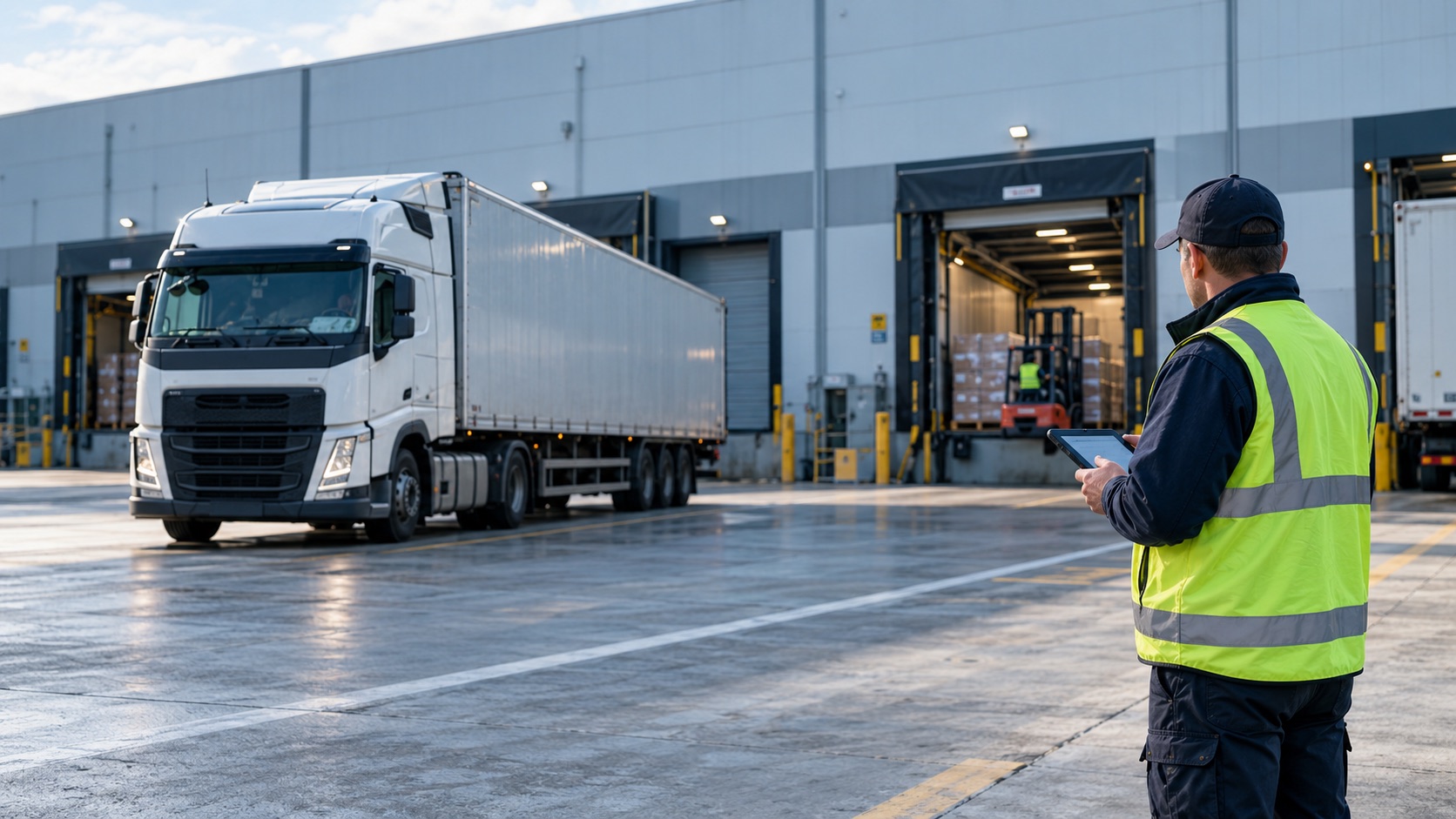
At the gate
Match a ready truck to a suitable dock.
At load preparation
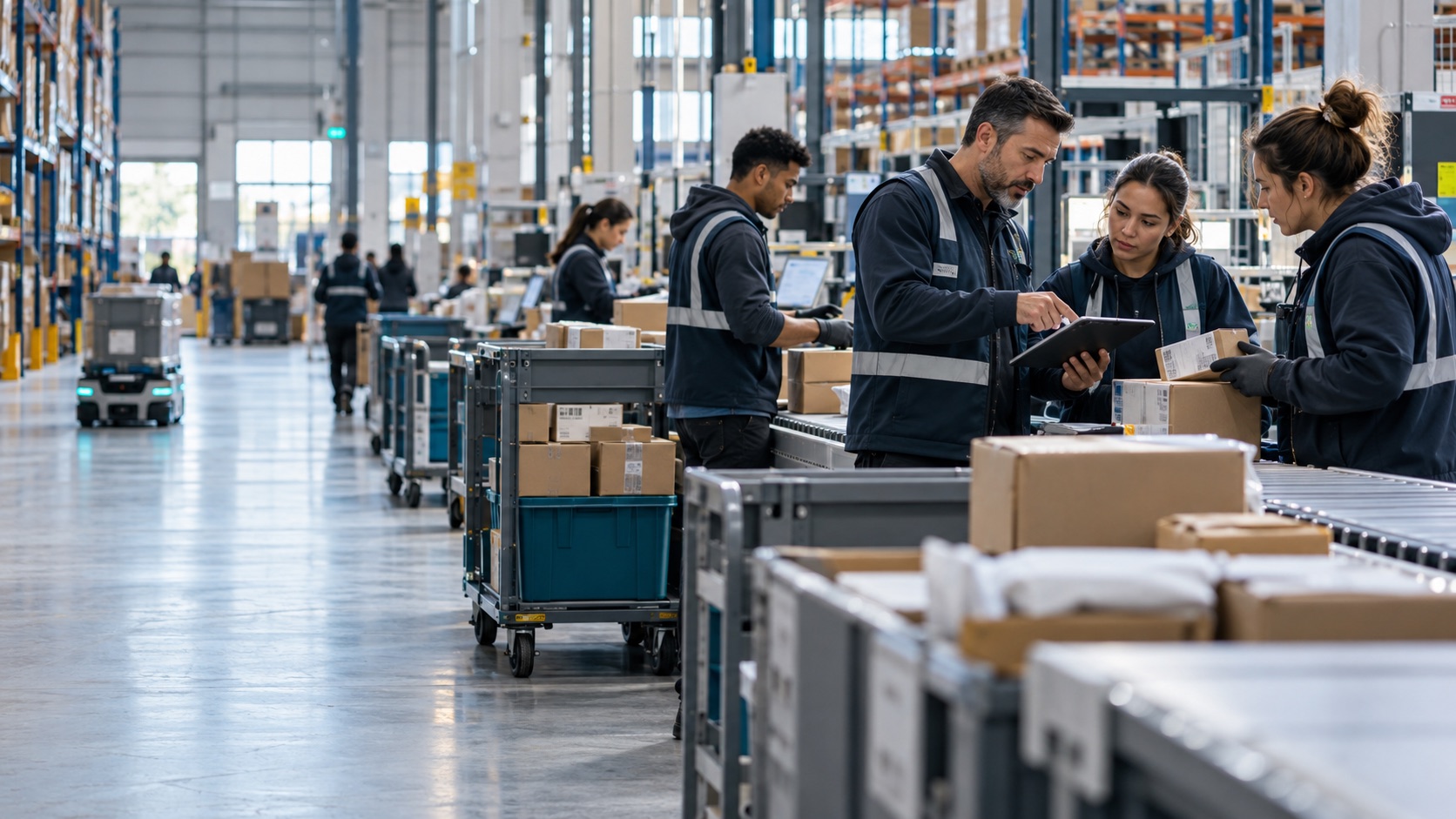
Bring the ready load forward at a warehouse or transfer hub before the truck arrives.
If the truck, dock or load is not ready, the missing condition stays visible. Unknown delays are not given invented causes.
MEASURABLE RESULT
Less waiting and less idle dock time.
We measure the baseline, replay past days with the new decisions, then validate the result on site.
Truck dwell time
Idle dock time
On-time dispatch
Overtime
AI recommends. You set the rules and limits.
Your TMS and yard systems stay in place; WMS connects where a warehouse is used. The reason and expected impact are visible; your team approves exceptions.
CONNECTED OPERATION
Connect the dock to the wider operation.
Use yard automation where a warehouse, depot or transfer hub manages vehicles and docks.
Start with one yard.
Use 8–12 weeks of gate, dock and dispatch records to measure the first opportunity.
Find the yard losses