
3PL · E-COMMERCE · ORDER FULFILLMENT
One broken handoff can delay the whole order.
Protect the path to dispatch.
Connect online and offline orders to stock, picking, packing, carrier choice and dock capacity. Automate manual handoffs and see cut-off risk before the parcel reaches the door.
Carrier, label and dock link to the same order
THE PROBLEM
One order. Scattered decisions.
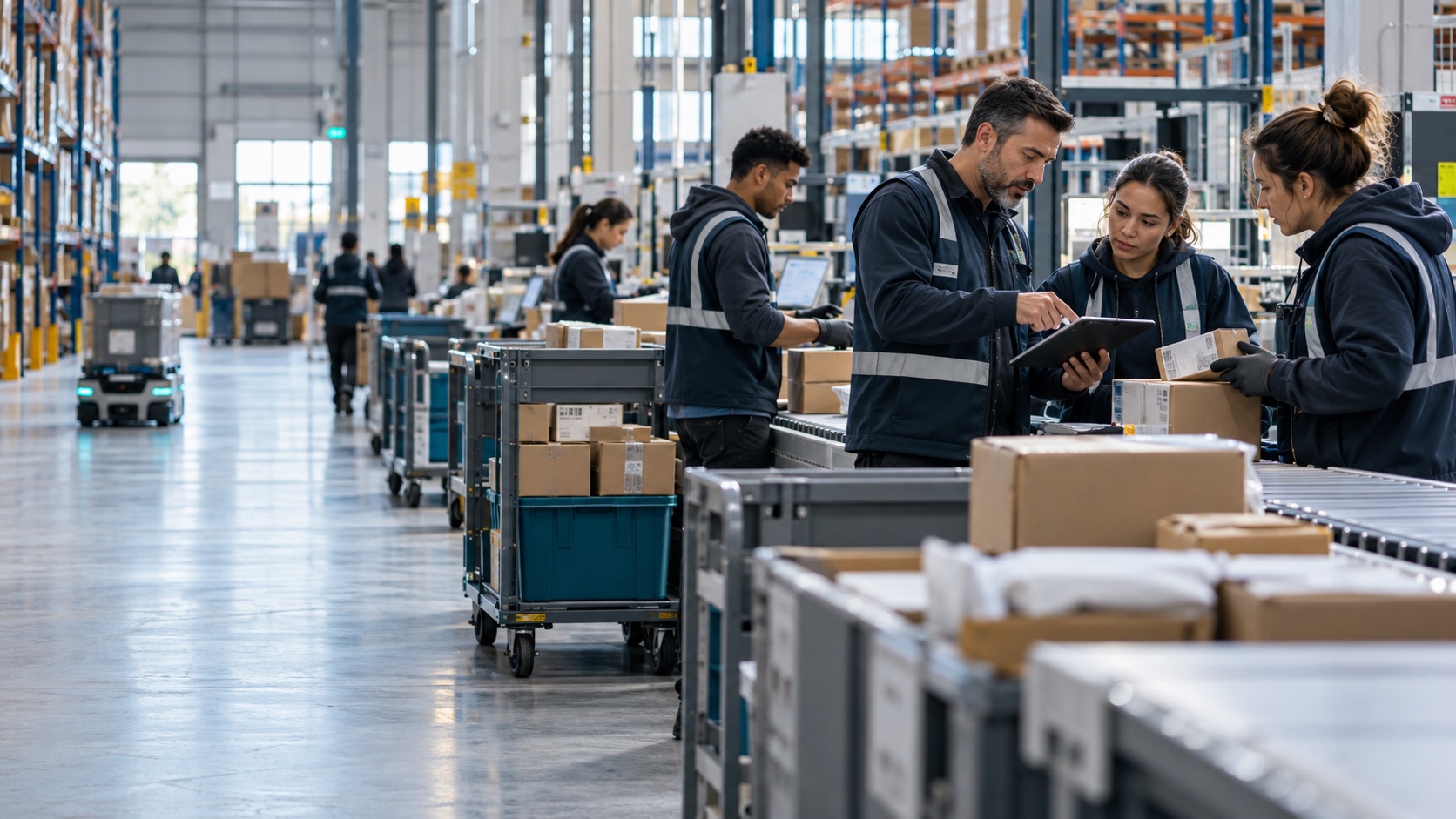
Sales channels, inventory, warehouse teams and the outbound dock move at different speeds. Delays get handed to the next team and often surface after the truck has left.
The order and stock diverge
A channel promise is made without checking usable stock and warehouse capacity.
The picking queue grows
Fixed waves miss urgent orders and emerging packing bottlenecks.
Dispatch has to wait
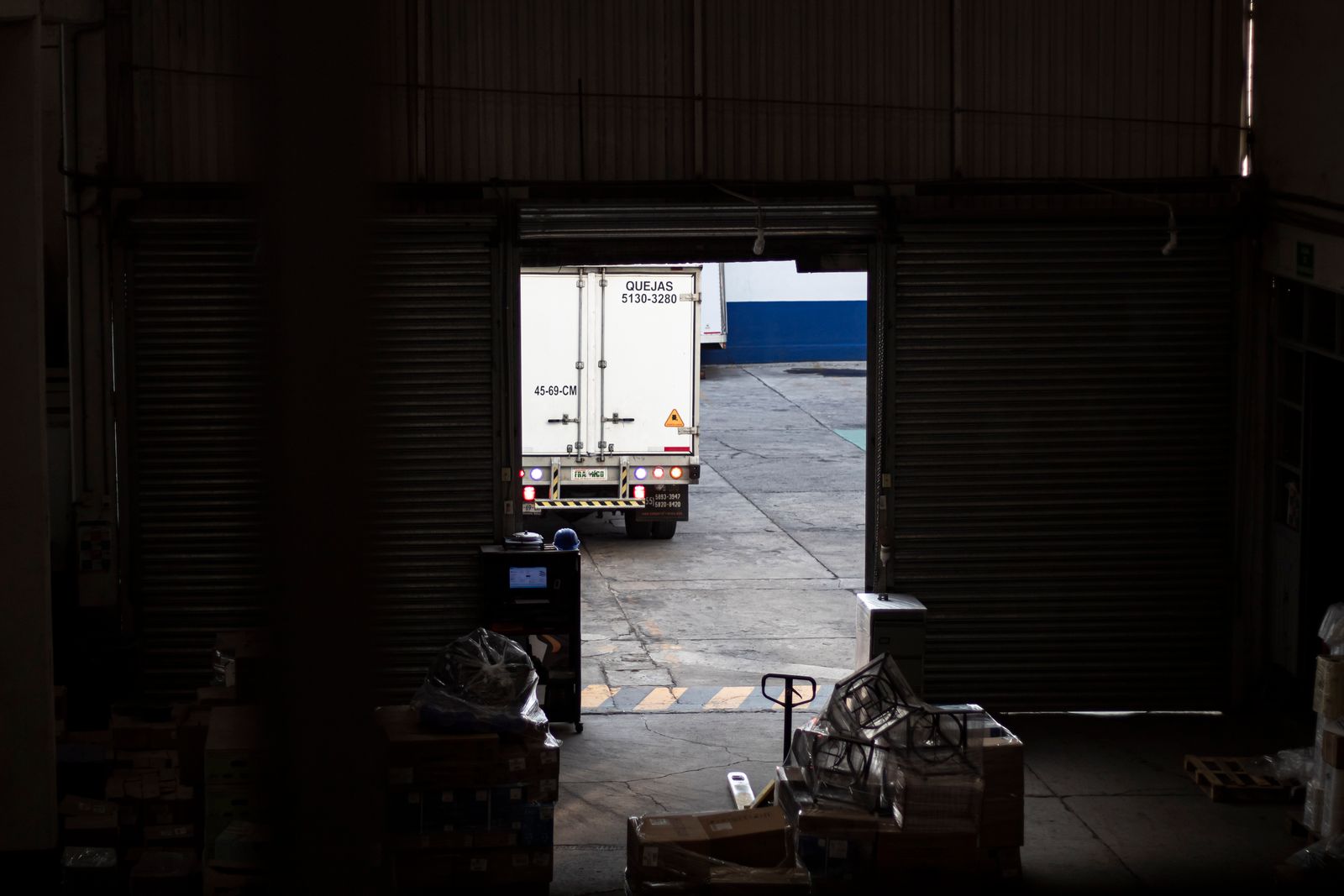
A packed order does not meet the right vehicle and dock in time.
HOW IT WORKS
One decision chain from order to dock.
Each step sees the next step's actual capacity. When order priority changes, picking, packing and dock plans update together.
Capture & confirm
Bring orders and commitments from every channel into one view.
Allocate stock
Match usable inventory to orders and customer priorities.
Pick
Adjust waves and tasks to cut-offs and floor load.
Pack
Watch station load and rebalance before a queue becomes a delay.
Select & hand over
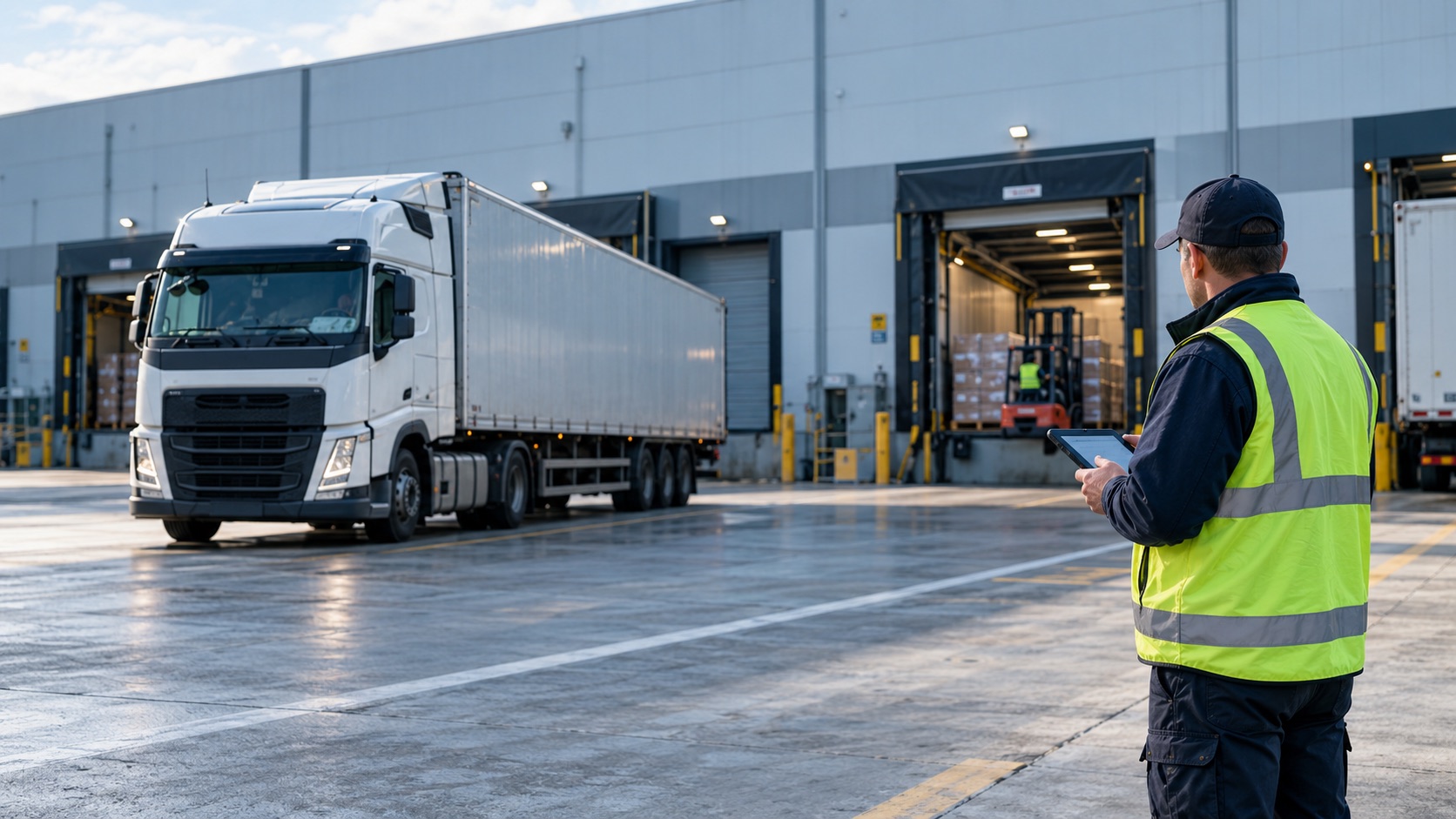
Link the carrier and label to the order, then hand it to the right vehicle and dock.
ORDER FULFILLMENT SOLUTIONS
Three solutions inside the flow.
Warehouse execution (WES)
Rebalances waves and picking tasks, and spots bottlenecks early.
Explore solutionYard and dock management
Matches arrivals, dock readiness and loading order to warehouse progress.
Explore solutionOperations CoPilot
Connects live records to company knowledge when an order or carrier exception needs resolution.
Explore solutionFULFILLMENT TO DISTRIBUTION
What happens after carrier handover?
Carrier selection and labels belong in fulfillment. Shipment Management then tracks the journey, ETA, proof of delivery and reconciliation.
MEASURABLE IMPACT
Shorter order cycles. More reliable dispatch.
We measure improvement against your own baseline. Results vary by warehouse and order mix.
Your existing systems work as one flow.
Your WMS, ERP, sales channels and transport systems keep owning the records. Datanomous adds a decision and coordination layer between them, with approval boundaries you set.
CONNECTED OPERATION
One order across every handoff.
A channel sale becomes value only when stock, warehouse capacity, carrier choice and delivery proof stay aligned.
Let's measure the loss in your order flow.
Find the handoff costing you time and margin, then identify the first automation opportunity.
Find the order loss