AB12 CDE
Gate check-in
Read the plate, match the appointment and vehicle, then open the visit and record the arrival time.

VEHICLE & DOCK AGENT
Recognise trucks by plate at the gate, verify them at the dock and check them out on departure. The agent connects those events to load readiness and the next workable move.

ILLUSTRATIVE YARD SCENARIO
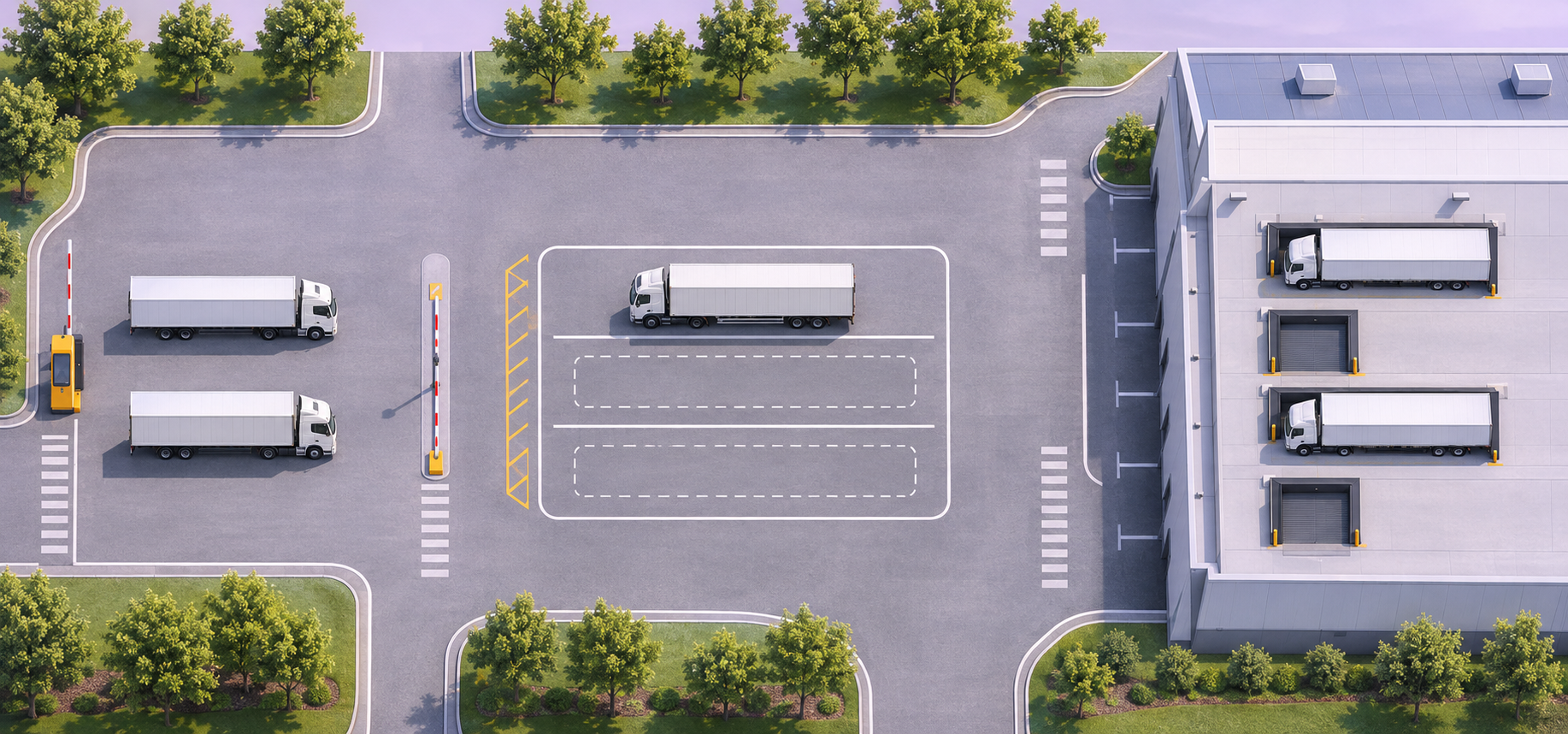
A late truck changes the dock plan. See the signals behind the recommendation.
AGENT RECOMMENDATION
The load is ready at 14:30, Dock 4 is available and compatible, and Dock 2 is needed for the next dispatch.
Example data for illustration. Actual recommendations depend on connected systems, site rules and permissions.
AUTOMATED VEHICLE JOURNEY
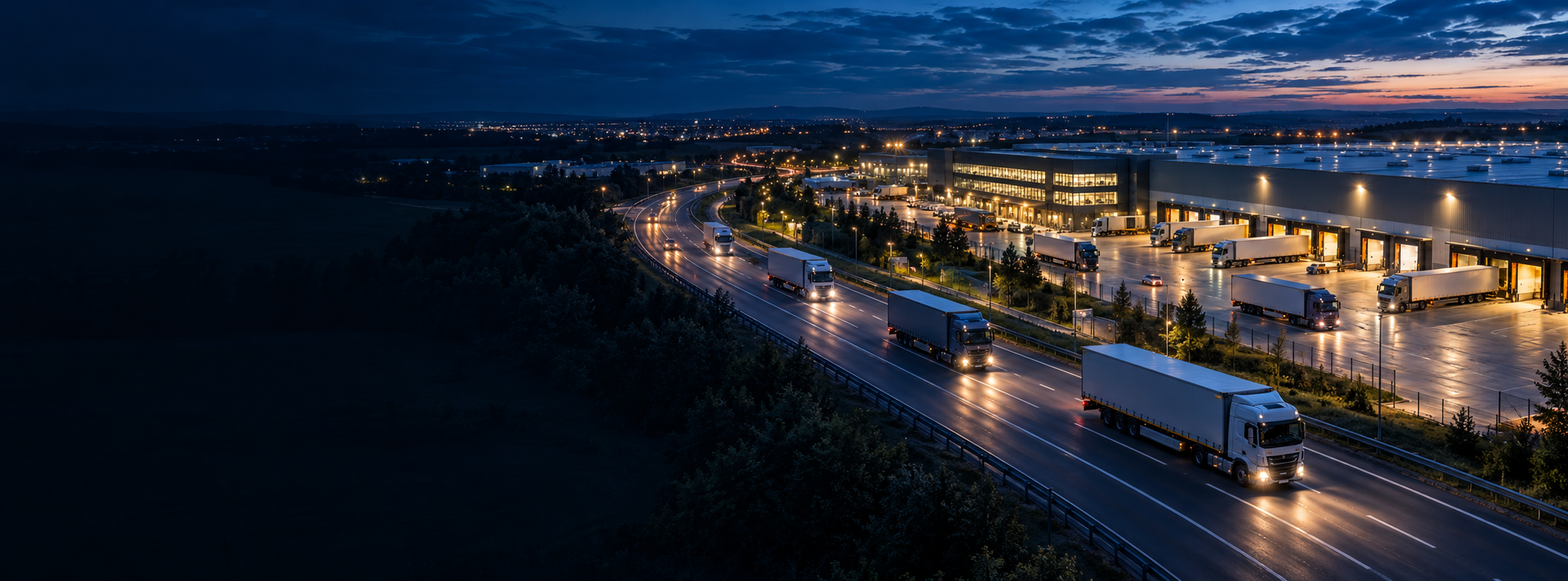
Configured cameras read the registration at the gate, dock and exit. The agent matches each read to the expected vehicle and visit, records the event and asks a person to review uncertain matches.
Read the plate, match the appointment and vehicle, then open the visit and record the arrival time.
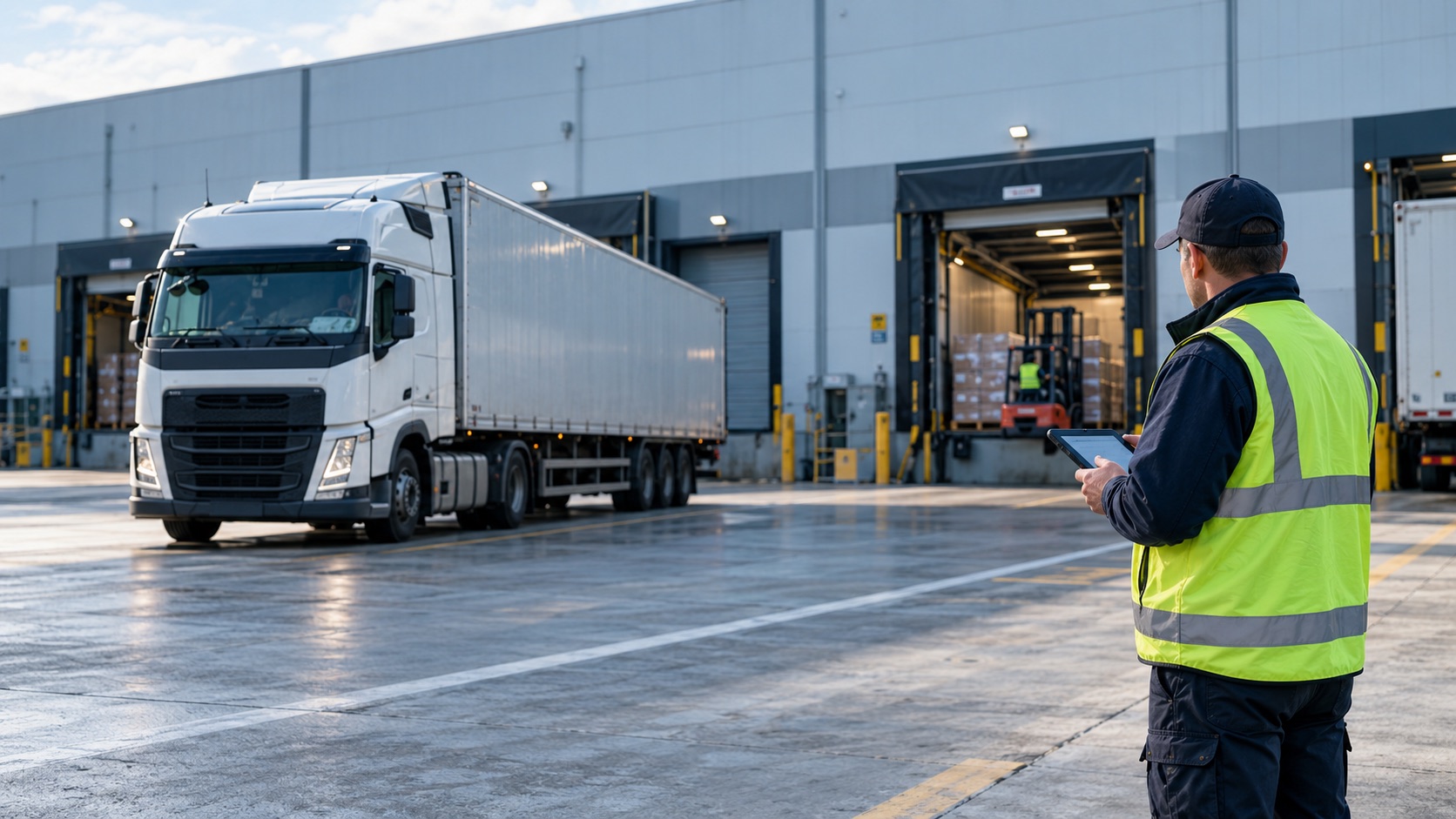
Read the plate again at the assigned dock. Confirm the right truck is at the right door before loading or unloading.
Read the plate at departure, close the visit and record the actual exit time for TMS and yard records.
No match, low-confidence read, duplicate plate or wrong dock? Hold the automatic action and send the image and visit context to the yard team.
Illustrative flow. Camera coverage, plate recognition, barrier control and system writes depend on site hardware, integrations and approval rules.
GATE TO DEPARTURE
Plate-matched gate, dock and exit events keep the visit connected as the plan changes. Planned and updated times stay visible to the team.
Arrival slips by 35 minutes
Dock 4 becomes the compatible option; the warehouse sees the revised priority.
Unsafe, conflicting or out-of-policy changes go to a person with the reason and context.
THE OPERATING PROBLEM
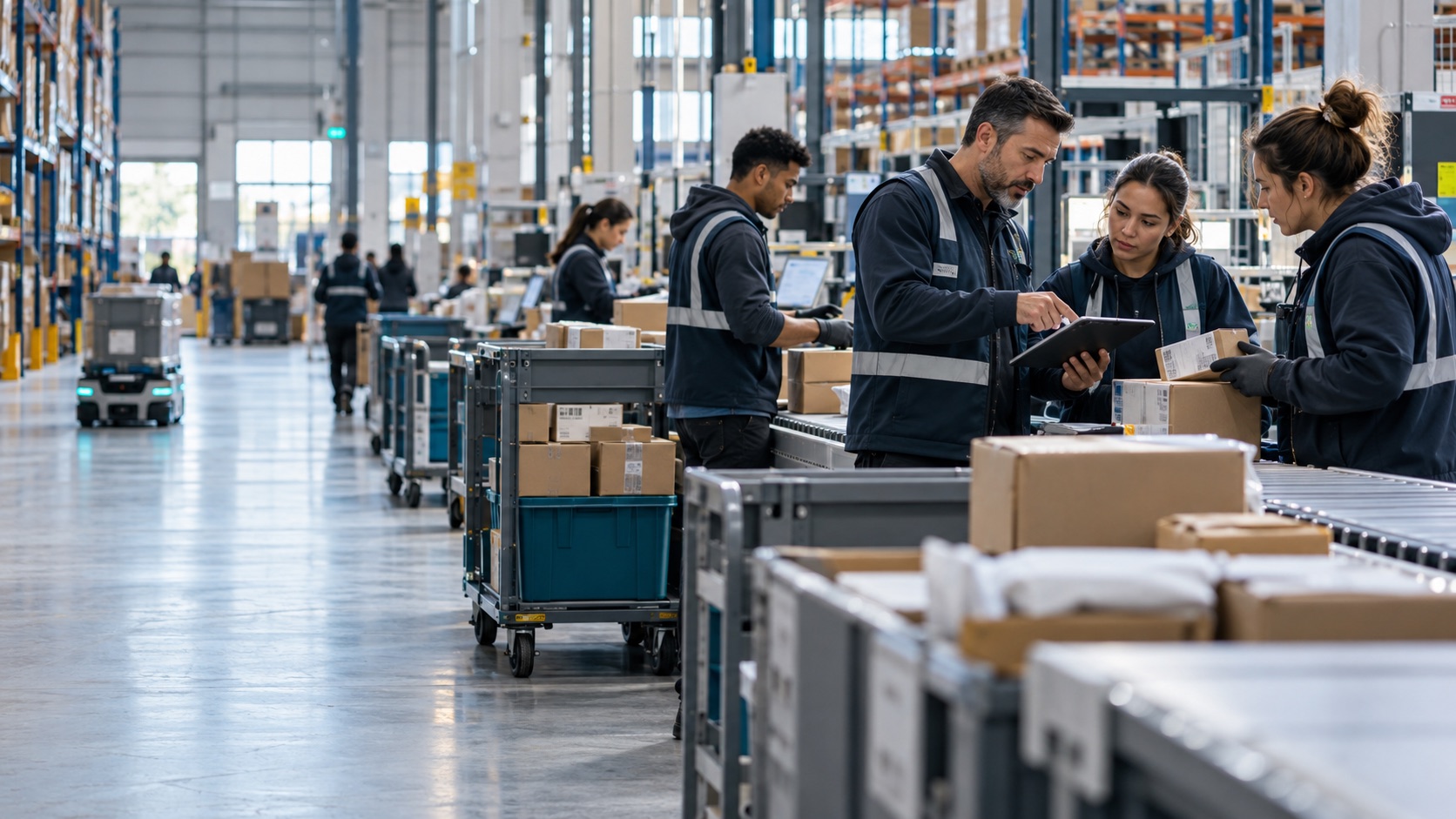
Arrival, gate and warehouse teams often work from separate updates. Manual vehicle identification and entry or exit logs add delays and leave room for the wrong truck to reach a dock.
Gate staff re-enter registrations and search appointments while vehicles queue.
The trailer may be on site before the warehouse is ready, or the load may wait for a vehicle.
Vehicle size, load type, safety rules and the next dispatch limit which door can be used.
HOW THE AGENT WORKS
Match plate reads at the gate, dock and exit to the expected vehicle and visit.
Apply compatibility, safety, priority and departure rules before suggesting a move.
Show the proposed queue and dock assignment with its reason and expected timing.
Record check-in and check-out, update connected systems within permission rules and route exceptions for review.
HUMAN CONTROL
The agent works with configured cameras, TMS and yard systems, and with WMS where load readiness is available. It records the source image, plate read and reason for each action. Uncertain reads, safety constraints and out-of-policy moves remain visible for review; physical access follows site rules.
WHAT TO MEASURE
Compare your baseline with the revised plan, then validate the effect in one site before scaling.
Yard and dock team
Staff match plates to appointments at the gate, verify the truck again at the dock and log its exit separately.
The agent matches camera plate reads to the visit, automates permitted check-in, dock verification and check-out, then recommends the next suitable dock.
Repeated identity and time logging creates queues; wrong-dock arrivals and missing entry or exit data make the plan harder to trust.
These are not customer results or known staffing figures. Enter your team size and fully loaded hourly cost for your location; the result is potential capacity value.
Formula: people × weekly hours × automation share × hourly cost × 52. Setup, licence and review time are not deducted.
CONNECTED OPERATION
Use yard automation where a warehouse, depot or transfer hub manages vehicles and docks.
Use gate, dock and dispatch records to assess waiting and idle dock opportunities together.
Book a call